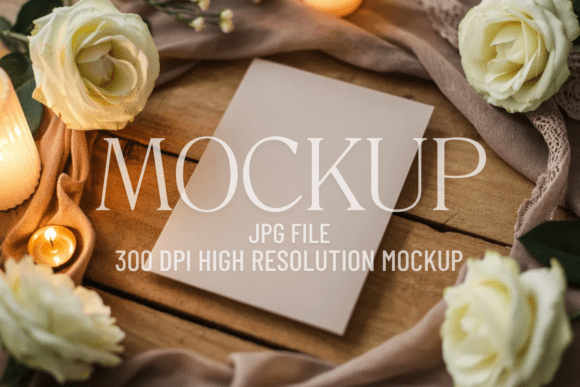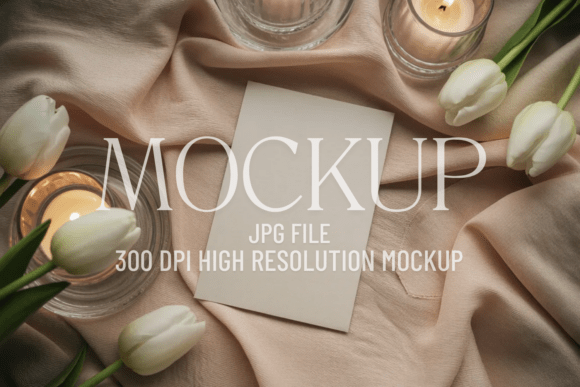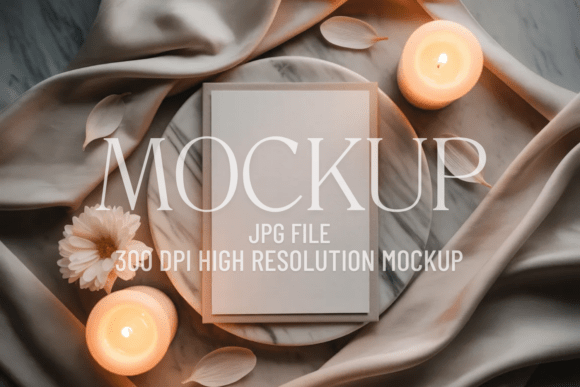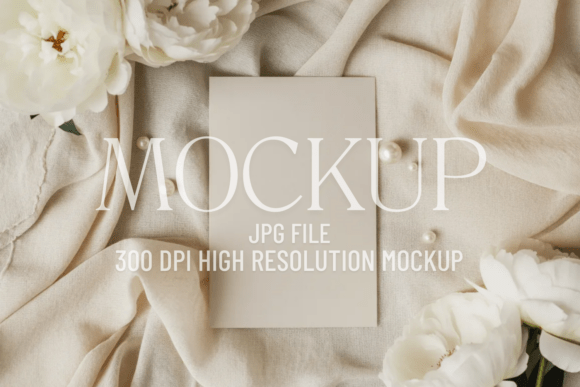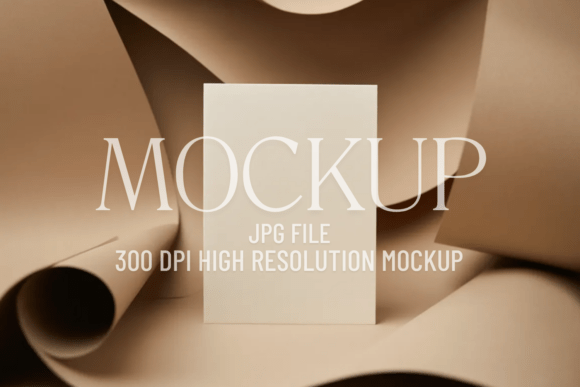
Wedding Invitation Mockup: Clean & Modern
Presenting your creative work effectively is often just as important as the design itself. Whether you are a graphic designer showcasing a new brand identity, a small business owner listing products on Etsy, or a marketer preparing a pitch deck, the context in which your artwork is viewed changes how it is perceived. This is where a high-quality Wedding Invitation Mockup becomes an indispensable tool in your digital toolkit. It is not merely about placing an image on a screen; it is about creating a narrative that allows clients and customers to visualize the final product in a realistic, tactile setting.
The appeal of a minimalistic approach cannot be overstated in today’s saturated visual landscape. A clean, fresh, and modern presentation strips away the noise, allowing the core design elements to breathe. When you utilize a premium mockup that focuses on simplicity, you are essentially providing a neutral stage for your creativity. This specific type of mockup is designed to be versatile, making it perfect for showcasing not just wedding stationery, but also branding kits, inspirational quotes, posters, and social media graphics. By removing distractions such as watermarks, tags, or cluttered backgrounds, the focus remains squarely on your artistic vision.
The Power of Minimalism in Visual Presentation
Minimalism in design assets is often misunderstood as being "empty" or "basic." In reality, it requires a sophisticated understanding of space, light, and texture. A well-crafted Wedding Invitation Mockup leverages these principles to elevate your work. The high-resolution nature of these files, typically at 300 DPI, ensures that every detail—from the grain of the paper to the subtle shadows cast by the cardstock—is rendered with crystal clarity. This level of fidelity is crucial for establishing professionalism.
When potential clients see your work presented in a crisp, high-quality JPG file, they subconsciously associate that quality with your service or product. It signals attention to detail. For instance, if you are designing a serif font based logo for a luxury boutique, placing it on a textured, minimalist mockup conveys elegance and exclusivity. Conversely, a bold sans serif font used in a tech startup’s branding might benefit from the same clean backdrop to emphasize modernity and efficiency. The mockup acts as a bridge between the digital file and the physical world, helping viewers imagine how the design would feel in their hands.
This aesthetic versatility extends beyond print. In the realm of web design and digital marketing, consistency is key. Using a uniform style of mockups across your portfolio or social media channels creates a cohesive brand image. It helps in building recognition and trust. Whether you are posting on Instagram, Pinterest, or Behance, a consistent visual language makes your feed look curated and professional. This is particularly important for content creators and influencers who rely on visual appeal to engage their audience.
Enhancing Brand Perception and Readability
Beyond aesthetics, the right presentation tool influences how your message is received. Consider the role of typography in this context. If you are showcasing a new script font or a delicate handwritten font, the background and lighting of the mockup must complement the letterforms rather than compete with them. A busy background can obscure the nuances of a display font, making it difficult to appreciate the swashes and ligatures that make the typeface unique. A minimal mockup provides the necessary contrast and negative space to ensure readability and visual hierarchy.
For entrepreneurs and small business owners, this clarity translates directly to conversion. When a customer can clearly see the design on a product—be it a wedding invite, a business card, or a packaging label—they are more likely to make a purchase. The mockup serves as a proof of concept. It demonstrates that the design works in the real world. This is especially true for packaging design and editorial design, where the interplay between text, image, and material is critical. A high-quality mockup allows you to test different color palettes and layouts before committing to expensive print runs.
Moreover, using a professional mockup enhances your perceived expertise. It shows that you understand the importance of presentation in logo design and broader branding efforts. It suggests that you care about the entire user experience, not just the initial creation. This level of professionalism can justify higher pricing and attract higher-quality clients who value precision and polish. It is a subtle but powerful form of non-verbal communication that speaks volumes about your standards.
Practical Guidance for Selecting and Using Mockups
Choosing the right mockup involves more than just picking the prettiest image. You need to evaluate the fit for your specific project. Start by considering the mood and tone of your design. Is it playful and vibrant, or serious and subdued? A minimal mockup is generally safe for most projects, but pay attention to the lighting direction and shadow intensity. Soft, diffused lighting tends to work best for elegant, romantic designs like wedding invitations, while sharper shadows might suit bold, contemporary graphics.
- Check Resolution and Format: Ensure the file is a high-quality JPG at 300 DPI. This guarantees that your design will look sharp even when zoomed in or printed.
- Look for Cleanliness: Avoid mockups with pre-existing text, tags, or watermarks. These elements distract from your work and require extra editing time to remove. A clean slate is essential for efficient workflow.
- Test Font Pairings: If your design includes multiple typefaces, use the mockup to see how they interact. Does the modern typography clash with the texture of the paper? Adjust sizes and weights until the visual hierarchy is clear.
- Verify Licensing: Always check the commercial usage rights. While many mockups are free for personal use, commercial projects often require a license. Ensuring you have the right permissions protects your business from legal issues.
When integrating your design into the mockup, pay attention to perspective and alignment. Most professional mockups come with smart objects or easy-to-edit layers that allow you to drop in your artwork seamlessly. Take advantage of these features to maintain realistic proportions. If the design looks warped or unnatural, it will break the illusion and reduce the impact of your presentation.
Finally, remember that a mockup is a tool, not a crutch. Your design should stand on its own merits. The mockup simply amplifies its strengths. Use it to highlight the unique qualities of your creative font choices, your color theory application, and your overall compositional balance. By doing so, you transform a simple digital file into a compelling visual story that resonates with your audience.
Incorporating a Wedding Invitation Mockup into your workflow is a small step that yields significant returns. It elevates your portfolio, streamlines your client presentations, and enhances your brand’s professional image. Whether you are a seasoned designer or just starting out, investing time in finding the right presentation assets is a wise decision. It allows your creativity to shine without obstruction, ensuring that your hard work is seen, appreciated, and valued in the way it deserves.