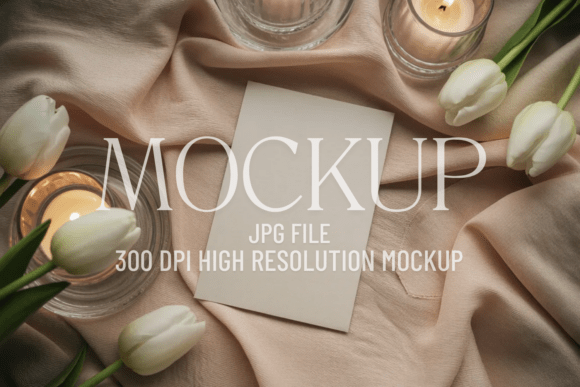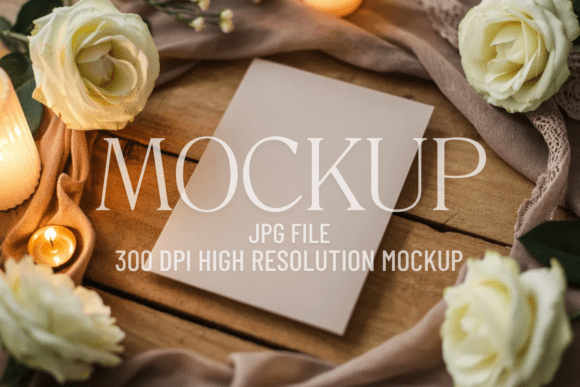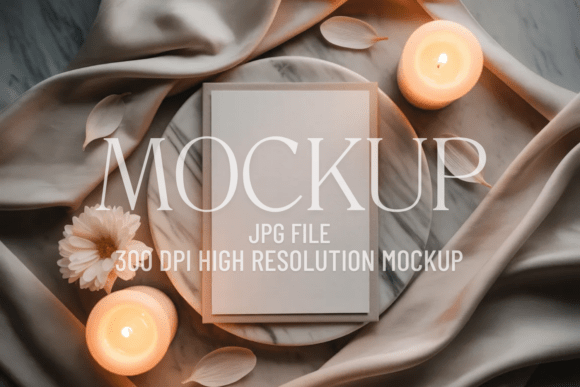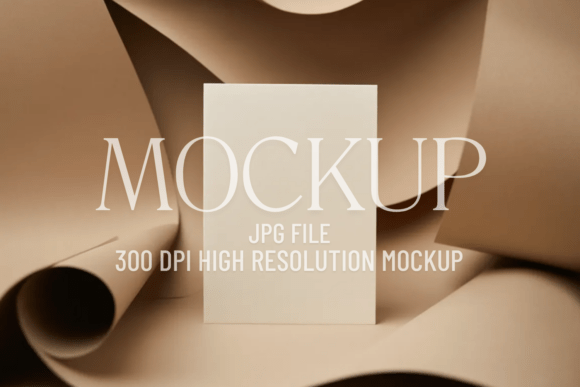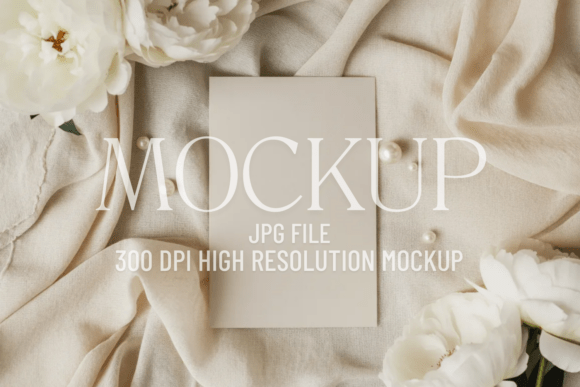
Details Card Mockup: Elevating Digital Design Presentation with Minimalist Aesthetics
In the rapidly evolving landscape of digital design and e-commerce, the gap between a good product and a successful sale is often bridged by presentation. Whether you are a graphic designer showcasing a new brand identity, a social media manager curating content for Instagram, or an educator creating engaging visual aids, the way your work is displayed matters immensely. This is where the concept of a Details Card Mockup becomes an indispensable tool in the modern creative workflow. By utilizing high-quality, minimalistic templates, creators can transform flat digital files into tangible, professional-looking visuals that resonate with audiences.
The shift towards minimalism in design is not merely a trend; it is a response to information overload. Consumers and viewers crave clarity, whitespace, and focus. A premium minimal mockup provides exactly this environment, allowing the core design element—be it a quote, a poster, or a business card—to take center stage without distraction. This article explores the utility, technical specifications, and strategic advantages of using such mockups to enhance professional portfolios and commercial product listings.
The Strategic Value of Minimalist Presentation
When presenting creative work, the context is just as important as the content itself. A design placed on a cluttered background competes for attention, whereas a design placed within a clean, structured mockup commands respect. The Details Card Mockup serves as a neutral yet sophisticated stage. It removes the noise, ensuring that the typography, color palette, and layout of your original artwork are perceived exactly as intended.
For business owners and entrepreneurs, this translates directly to brand perception. A high-resolution, professionally presented image suggests attention to detail and quality. When potential clients see a branding package displayed on a crisp, shadow-perfect card mockup, they subconsciously associate those qualities with the service provider. It is a subtle psychological cue that elevates the perceived value of the offering. Furthermore, minimalism ensures versatility. Because the mockup lacks specific thematic elements like wood textures, neon lights, or busy patterns, it can be used across various industries, from corporate finance to artisanal crafts.
Technical Specifications and Quality Standards
To achieve a truly professional look, the technical quality of the mockup file is paramount. Low-resolution images may appear pixelated on high-density screens, undermining the credibility of the design being showcased. Therefore, selecting a mockup that meets rigorous standards is essential for maintaining visual integrity.
- High-Resolution Output: Premium mockups typically offer a resolution of 300 DPI (dots per inch). This standard ensures that the image remains sharp and clear, whether viewed on a retina display or printed for physical portfolios.
- Clean File Structure: The best mockups come free of unnecessary text, tags, or watermarks. This cleanliness allows for seamless integration into your workflow, saving time on editing and ensuring that the final output is ready for immediate use.
- Format Compatibility: High-quality JPG files are widely supported across all design software and web platforms. This universal compatibility means you do not need specialized tools to view or utilize the base template, although layered files (like PSDs) are often used for customization before exporting to JPG.
By adhering to these technical benchmarks, designers ensure that their work is represented with fidelity. The absence of watermarks is particularly crucial for professional presentations, as it maintains the illusion of a custom photoshoot rather than a templated graphic.
Versatile Applications Across Industries
The utility of a Details Card Mockup extends far beyond simple business cards. Its minimalist nature makes it a chameleon in the world of visual communication. Here are several practical applications where this tool proves invaluable:
Branding and Identity Design
For brand designers, presenting a logo or color palette in isolation can feel abstract. Placing these elements on a details card grounds them in reality. It allows clients to visualize how the brand might appear in physical touchpoints, such as membership cards, loyalty programs, or informational inserts. This tangible representation helps bridge the gap between digital concepts and physical applications.
Social Media Graphics
In the realm of social media, aesthetics drive engagement. Platforms like Instagram and Pinterest favor high-quality, cohesive visuals. A minimal mockup can be used to showcase quote graphics, announcement cards, or promotional offers. The clean lines and soft shadows typical of premium minimal mockups align perfectly with the current aesthetic preferences of these platforms, helping posts stand out in crowded feeds.
Educational and Informational Content
Educators and researchers often need to present complex information in digestible formats. Using a card mockup to display key facts, definitions, or summary points can make educational materials more engaging. The structured format of a card encourages concise writing and clear hierarchy, making it easier for learners to absorb information.
Art and Poster Showcases
Artists selling prints or digital downloads can use these mockups to simulate how their artwork looks when framed or displayed. While not a frame substitute, a details card can serve as a miniature preview, offering a glimpse of the art’s detail and color accuracy in a controlled, well-lit environment.
Enhancing Workflow Efficiency
Time is a critical resource for creators. Traditional photography requires lighting setups, camera equipment, props, and post-processing. In contrast, using a digital mockup streamlines this process significantly. With a Premium Minimal Mockup, the lighting and perspective are already perfected. The creator simply needs to insert their design, adjust the scale if necessary, and export.
This efficiency does not come at the cost of quality. On the contrary, digital mockups offer consistency. Every image produced will have the same lighting angle, shadow depth, and background tone, creating a cohesive look across a portfolio or product catalog. This consistency is vital for building a recognizable brand identity. Moreover, it allows for rapid iteration. Designers can test multiple variations of a design quickly, seeing how each looks in a realistic context without the logistical hassle of reshooting.
Considerations for Effective Use
While mockups are powerful tools, their effectiveness depends on how they are used. Over-reliance on generic templates can lead to a homogenized look. To avoid this, creators should consider the following best practices:
- Match the Mood: Ensure that the minimalism of the mockup aligns with the tone of the design. A playful, chaotic design might clash with a stark, serious mockup. Choose templates that complement rather than contradict the artwork.
- Maintain Proportions: When placing designs onto the mockup, pay attention to aspect ratios and margins. Distorting the design to fit the template can ruin the professional appearance. Always preserve the integrity of the original artwork.
- Contextualize When Necessary: While minimalism is effective, sometimes adding a subtle contextual element—like a plant shadow or a textured paper background—can add warmth. However, this should be done sparingly to maintain the clean aesthetic.
Additionally, it is important to remember that the mockup is a vehicle for the design, not the star. The focus should always remain on the content being presented. If the mockup draws too much attention to itself, it has failed its purpose. The ideal mockup is invisible, serving only to enhance the visibility of the design.
Conclusion: Investing in Visual Clarity
In a digital world saturated with visual content, clarity is a competitive advantage. The Details Card Mockup offers a straightforward yet powerful solution for presenting work with professionalism and style. By leveraging high-resolution, watermark-free templates, creators can elevate their presentations, improve customer perception, and streamline their workflows. Whether you are a seasoned designer or a small business owner looking to polish your online presence, incorporating minimal mockups into your toolkit is a strategic move towards greater visual impact. As technology continues to advance, the demand for clean, authentic, and high-quality visual representation will only grow, making these tools an essential part of the modern creative arsenal.